
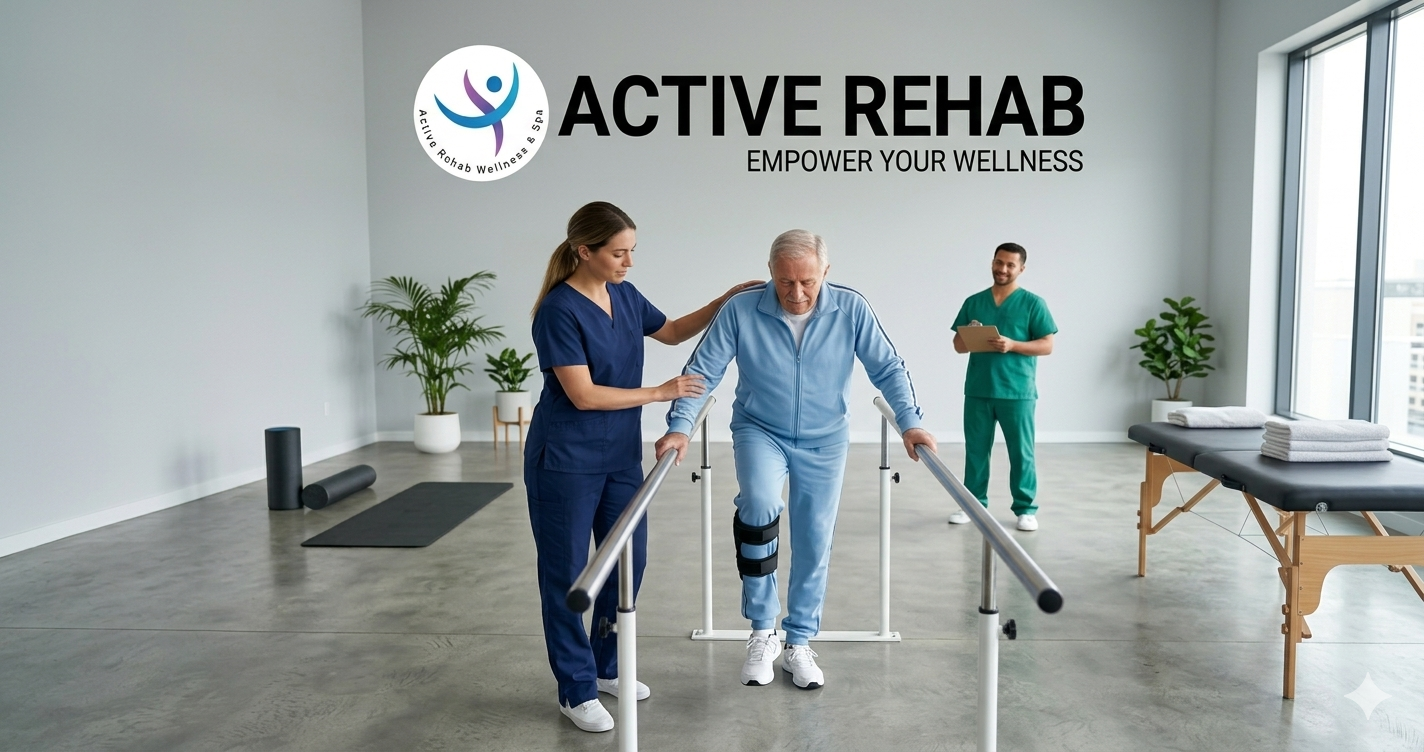

Introduction: The Rising Demand for Rehabilitation Assistant Jobs
In today’s rapidly evolving healthcare landscape, rehabilitation assistant jobs are experiencing unprecedented growth. As populations age and awareness around physical and mental recovery increases, the need for skilled professionals who support rehabilitation therapists is skyrocketing. Whether in hospitals, clinics, or home care environments, rehabilitation assistants play a vital role in helping patients regain independence and improve their quality of life.
This surge in demand is not just a temporary trend it reflects deeper shifts in healthcare priorities. If you’re considering a career in this field, now is the perfect time to explore opportunities and understand how to position yourself for success.
What Is a Rehabilitation Assistant?
A rehabilitation assistant is a healthcare professional who works under the supervision of licensed therapists, such as physical therapists, occupational therapists, or speech-language pathologists. Their primary role is to assist patients with exercises, mobility training, and daily activities that support recovery.
Key Responsibilities Include:
- Assisting patients with therapeutic exercises
- Monitoring patient progress and reporting updates
- Preparing treatment areas and equipment
- Supporting patients with mobility and personal care
- Maintaining records and documentation
This role combines hands-on patient care with administrative support, making it both dynamic and rewarding.
Why Rehabilitation Assistant Jobs Are Booming
1. Aging Population Driving Demand
One of the biggest reasons for the growth in rehabilitation assistant jobs is the aging population. As people live longer, they are more likely to require rehabilitation services after surgeries, injuries, or chronic conditions.
2. Increased Focus on Recovery and Wellness
Modern healthcare is shifting from treatment to recovery and prevention. Rehabilitation assistants are essential in helping patients regain function and avoid long-term complications.
3. Expansion of Healthcare Facilities
Hospitals, outpatient clinics, and rehabilitation centers are expanding globally. This creates more job openings for support roles like rehabilitation assistants.
4. Rise in Chronic Conditions and Injuries
Conditions such as arthritis, stroke, and sports injuries are becoming more common, increasing the need for rehabilitation services.
5. Cost-Effective Healthcare Staffing
Healthcare systems rely on rehabilitation assistants to provide quality care while reducing costs, making this role highly valuable.
Types of Rehabilitation Assistant Jobs
Rehabilitation assistant roles can vary depending on the specialization:
Physical Therapy Assistant Support
Helping patients recover from injuries, surgeries, or mobility issues.
Occupational Therapy Assistant Support
Assisting individuals in performing daily activities such as dressing, cooking, and working.
Speech Therapy Assistant Support
Supporting patients with speech, language, and swallowing difficulties.
Mental Health Rehabilitation Support
Helping individuals recover from psychological or emotional challenges.
Skills You Need to Succeed
To thrive in rehabilitation assistant jobs, you need a mix of technical and soft skills:
Essential Hard Skills
- Basic understanding of human anatomy
- Knowledge of therapeutic exercises
- Patient handling techniques
- Record-keeping and documentation
Important Soft Skills
- Empathy and compassion
- Strong communication skills
- Patience and resilience
- Teamwork and collaboration
These skills ensure you can effectively support both patients and therapists.
Educational Requirements and Certifications
Most rehabilitation assistant jobs require:
Minimum Qualifications
- High school diploma or equivalent
- Certification or diploma in rehabilitation assistance (preferred)
Additional Certifications
- CPR and First Aid certification
- Specialized training in physical or occupational therapy support
While some roles offer on-the-job training, having formal education significantly improves your chances of getting hired.
Where Can You Work as a Rehabilitation Assistant?
Rehabilitation assistants have diverse employment opportunities:
- Hospitals and healthcare centers
- Rehabilitation clinics
- Nursing homes and long-term care facilities
- Home healthcare services
- Sports rehabilitation centers
This flexibility allows you to choose an environment that aligns with your interests and career goals.
Salary Expectations and Career Growth
Average Salary Range
Salaries for rehabilitation assistant jobs vary by location and experience, but generally fall within a competitive range compared to other entry-level healthcare roles.
Growth Opportunities
With experience, you can:
- Advance to senior assistant roles
- Specialize in specific therapies
- Pursue further education to become a licensed therapist
This career path offers long-term stability and upward mobility.
How to Get Hired as a Rehabilitation Assistant
1. Build Relevant Education and Training
Start by completing a certification or diploma program in rehabilitation assistance.
2. Gain Practical Experience
Internships, volunteer work, or entry-level healthcare roles can give you hands-on experience.
3. Create a Strong Resume
Highlight your:
- Skills and certifications
- Relevant experience
- Passion for patient care
4. Apply Strategically
Focus on healthcare facilities actively hiring rehabilitation assistants and tailor your application to each role.
5. Prepare for Interviews
Be ready to demonstrate:
- Your understanding of patient care
- Your ability to work in a team
- Real-life examples of helping others
Tips to Stand Out in a Competitive Job Market
- Develop specialized skills in a specific therapy area
- Stay updated with the latest rehabilitation techniques
- Build a professional network in the healthcare industry
- Show genuine passion for helping patients recover
Employers value candidates who are proactive and committed to continuous learning.
Challenges in Rehabilitation Assistant Jobs
While rewarding, this career comes with challenges:
- Physical demands, including lifting and assisting patients
- Emotional stress when dealing with patient recovery setbacks
- Fast-paced work environments
However, the impact you make on patients’ lives often outweighs these challenges.
The Future of Rehabilitation Assistant Careers
The future looks incredibly promising for rehabilitation assistant jobs. With advancements in medical technology and increased awareness of rehabilitation services, the demand for skilled professionals will continue to grow.
Tele-rehabilitation and home-based care are also expanding, creating new opportunities in the field. This makes it an ideal career choice for those seeking stability and growth.
Conclusion: Start Your Journey Today
The surge in rehabilitation assistant jobs is more than just a trend it’s a reflection of the evolving healthcare system that prioritizes recovery, independence, and quality of life. With strong demand, diverse opportunities, and clear career progression, this field offers both purpose and stability.
If you’re passionate about helping others and want a meaningful career in healthcare, becoming a rehabilitation assistant could be your perfect path. Start building your skills, gain experience, and take the first step toward a rewarding future today.
FAQs
What does a rehabilitation assistant do?
A rehabilitation assistant supports licensed therapists by helping patients perform exercises, assisting with mobility, preparing equipment, and tracking progress during recovery programs.
Do I need a degree to become a rehabilitation assistant?
Not always. Many roles require a high school diploma, while some employers prefer a certification or diploma in rehabilitation assistance. Additional training can improve your job prospects.
How long does it take to become a rehabilitation assistant?
It can take anywhere from a few months to 1 year, depending on whether you pursue a certification program or gain on-the-job training.
What skills are important for rehabilitation assistant jobs?
Key skills include communication, empathy, patience, physical stamina, teamwork, and basic medical knowledge related to therapy and patient care.
Where can rehabilitation assistants work?
They can work in hospitals, rehabilitation centers, clinics, nursing homes, and home healthcare services, offering flexibility in career choices.
Is being a rehabilitation assistant physically demanding?
Yes, the role can be physically demanding as it involves lifting, assisting patients with movement, and standing for long periods.
What is the average salary for a rehabilitation assistant?
Salaries vary by location and experience, but rehabilitation assistants typically earn a competitive entry-level healthcare salary with growth potential.
Can I grow my career from a rehabilitation assistant role?
Absolutely. You can advance to senior roles, specialize in therapy areas, or pursue further education to become a licensed therapist.
Are rehabilitation assistant jobs in demand?
Yes, demand is growing due to aging populations, increased injuries, and a stronger focus on recovery and rehabilitation services.
How can I increase my chances of getting hired?
You can improve your chances by gaining relevant certifications, hands-on experience, and building strong communication and patient-care skills.
Do rehabilitation assistants work directly with patients?
Yes, they work closely with patients daily, helping them recover mobility, perform exercises, and regain independence.
Is this a good career choice for beginners in healthcare?
Yes, it’s an excellent entry point into the healthcare field, offering hands-on experience, job stability, and opportunities for career growth.
